
How to Love Deeply Without Losing Yourself: The Psychology of Attachment, Detachment, and Moving On.
On October 12, 1978, in Room 100 of the Chelsea Hotel in New York, Nancy Spungen was found dead on the bathroom floor, stabbed. Sitting nearby was Sid Vicious, her boyfriend, disoriented, high, and unable to explain what had happened.
Just months earlier, in 1977, they were inseparable.
It didn’t start as a tragedy.
It didn’t start as a tragedy.
It started like most dangerous love stories do—intense, electric, irresistible.
Sid was chaos wrapped in charisma. Nancy was fire with no intention of ever burning quietly. When they found each other, it felt less like a coincidence and more like a collision. Two restless souls, both already teetering on the edge, suddenly convinced they had found something real—something worth holding onto.
And they held on. Too tightly.
Their love was not the gentle kind that grows. It was the kind that consumes. The kind that says, “If I lose you, I lose myself.” And slowly, that stopped being a metaphor.
They lived fast—louder than reason, deeper than caution. Drugs blurred their reality, but even beneath the haze, something more dangerous was forming: dependence. Not just emotional, but existential. Sid, without Nancy, felt incomplete. Nancy, without Sid, felt unanchored. They were no longer two people choosing each other—they were two people unable to exist apart.
And that is where love begins to turn.
Arguments became storms. Affection became possession. Passion became volatility. The very thing that pulled them together started pulling them under. But neither of them knew how to step back—because stepping back would mean facing themselves without the other.
So they stayed.
Until the night everything broke.
Final Moment at Chelsea Hotel, New York.
A hotel room in New York. Silence where there should have been music. Nancy was found lifeless. Sid was there—but the truth of what happened dissolved into confusion, intoxication, and unanswered questions. Before any clarity could come, Sid himself was gone—lost to an overdose, just months later.
And just like that, their story ended the same way it lived: abruptly, intensely, and without resolution.
What makes their story haunting is not just how it ended—but how familiar its pattern is. Because at its core, this wasn’t just about drugs or fame or rebellion.
It was about love without boundaries.
Love without identity.
Love that stopped being a connection… and became a collapse.
They didn’t just love each other.
They disappeared into each other.
And sometimes, that is the most dangerous kind of love.
This is the story of the famous English Musician Sid Vicious, best known as the bassist for the pioneering punk band the Sex Pistols and his girlfriend Nancy Spungen.

Matters of the heart are matters of life.
A heartbreak can break a life, but can it really do so if we love healthily?
In this article, I explore the principles of attachment and detachment.
How to love wholeheartedly and how to move on, whether you decide to or they decide to, without losing yourself in the process.
At this point, many people have lost hope in relationships, especially romantic ones. And the reason for this is simple: people are scared to love because they do not want to be broken, waste time or resources.
The most prominent point here is heartbroken.
Because it is tied to others, reminiscing about wasted time and resources is in your heart.
It is all about protecting your heart.
I used to believe it was not possible to love without committing your heart to the relationship to the extent that if they leave, I would be broken. However, recently, I started thinking again about this belief.
I started asking myself questions such as: was I created and kept alive till this point just to love someone to the extent that if they leave me, I would be broken?
And you know what? The answer is NO.
I found out that many of us are not loving rightly, and it is not our fault; no one taught us how to love well. We live in a culture that promotes negativity more than positivity. Heartbroken stories are everywhere; they get told ten times more than stories of healthy love.
However, before we move further, let’s see why love can feel so overwhelming—like it fills your entire world.
Why Love Feels So Intense (The Psychology of Attachment)

The answer lies in something deeply rooted in human psychology: attachment.
Attachment Theory, originally developed by psychologist John Bowlby, explains that humans are naturally wired to form emotional bonds. From infancy, we depend on connection for survival, comfort, and safety. As we grow, that same wiring doesn’t disappear—it simply evolves. Instead of attaching to caregivers, we begin to form deep emotional bonds with romantic partners.
In relationships, this attachment creates a powerful sense of security. When you love someone and feel loved in return, your brain interprets that connection as “safe.” Their presence becomes comforting. Their voice calms you. Their approval matters more than most. In many ways, they become your emotional home.
That’s why love feels so intense—it’s not just about attraction or feelings. It’s about connection at a psychological level. You’re not just choosing someone; your mind and body are investing in them as a source of stability and emotional grounding.
But here’s the flip side: the deeper the attachment, the deeper the impact of loss. When that bond is threatened—through conflict, distance, or heartbreak—it doesn’t just feel like you’re losing a person. It can feel like you’re losing a part of yourself. The same system that made love feel safe now reacts to separation as distress.
When Attachment Becomes Dangerous
If love feels intense because of attachment, then it’s important to understand this: the same force that makes love beautiful can also make it dangerous when it’s left unchecked.
Attachment, at its healthiest, creates connection and security. But when it becomes excessive, it begins to blur boundaries—especially the boundary between you and the person you love.
One of the clearest signs is losing your identity in someone else. You start to think, feel, and even make decisions based entirely on them. Your preferences slowly fade. Your goals become secondary. Without realizing it, you stop being an individual and start becoming an extension of the relationship.
This is where emotional over-dependence sets in. You begin to rely on them for validation, peace, and stability. Their mood controls your mood. Their attention determines your worth. When they are present, you feel whole. When they are distant, you feel incomplete.
It may feel like deep love—but in reality, it’s a fragile emotional structure built on one person.
The danger intensifies when you make someone your source of happiness. Not a contributor, not a partner—but the source. At that point, your emotional life is no longer in your control. You’re handing over your inner stability to someone who, no matter how much they care, is human, imperfect, and incapable of carrying that weight consistently.
The hard truth is: Love becomes dangerous when your sense of self is tied to someone else’s presence.
Because now, love is no longer just a connection—it’s dependency.
When that person changes, pulls away, or leaves, the impact is not just emotional pain—it’s disorientation. You’re not just grieving them; you’re struggling to find yourself again.
Healthy love should add to your life, not replace it. It should deepen who you are, not erase you. The goal is not to love less, but to love with awareness—so that even in closeness, you remain grounded in yourself.
The Balance: Loving Wholeheartedly Without Losing Yourself

If attachment can make love feel powerful—and sometimes dangerous—then the real question becomes: how do you love deeply without disappearing in the process?
The answer is balance.
Not distance. Not being carefree. But a grounded, self-aware kind of love where you are fully present… without losing who you are.
And here are three ways you can do that:
1. Keep Your Own Life Alive
One of the easiest ways to lose yourself in love is to slowly abandon your own path.
At first, it feels harmless—you adjust your schedule, shift your priorities, make sacrifices. But over time, those small adjustments can become a complete takeover.
You stop chasing your goals. You delay your dreams. Your life begins to revolve around the relationship.
Healthy love doesn’t require that.
You should still have your ambitions. Your routines. Your personal growth. Because the strongest relationships are built by two whole individuals—not one person orbiting the other.
2. Build Emotional Independence
Loving someone should bring joy, not emotional survival.
When you’re emotionally independent, you enjoy your partner—but you don’t need them to function. Your happiness isn’t at their mercy. Their presence adds to your life, but their absence doesn’t destroy it.
Unhealthy attachment says, “I can’t be okay without you.”
Healthy attachment says, “I’m okay, and I choose you.”
That difference changes everything.
Because now, love is no longer control—it’s a choice.
3. Stay Aware of Yourself
Self-awareness is what keeps you grounded in love.
It helps you notice when you’re over-giving, over-sacrificing, or slowly fading into someone else’s world. It helps you ask the hard questions:
Am I still being myself?
Am I still growing?
Or am I shrinking to keep this relationship alive?
Without self-awareness, you can lose yourself quietly—and not even realize it until you feel empty.
Healthy vs Unhealthy Attachment
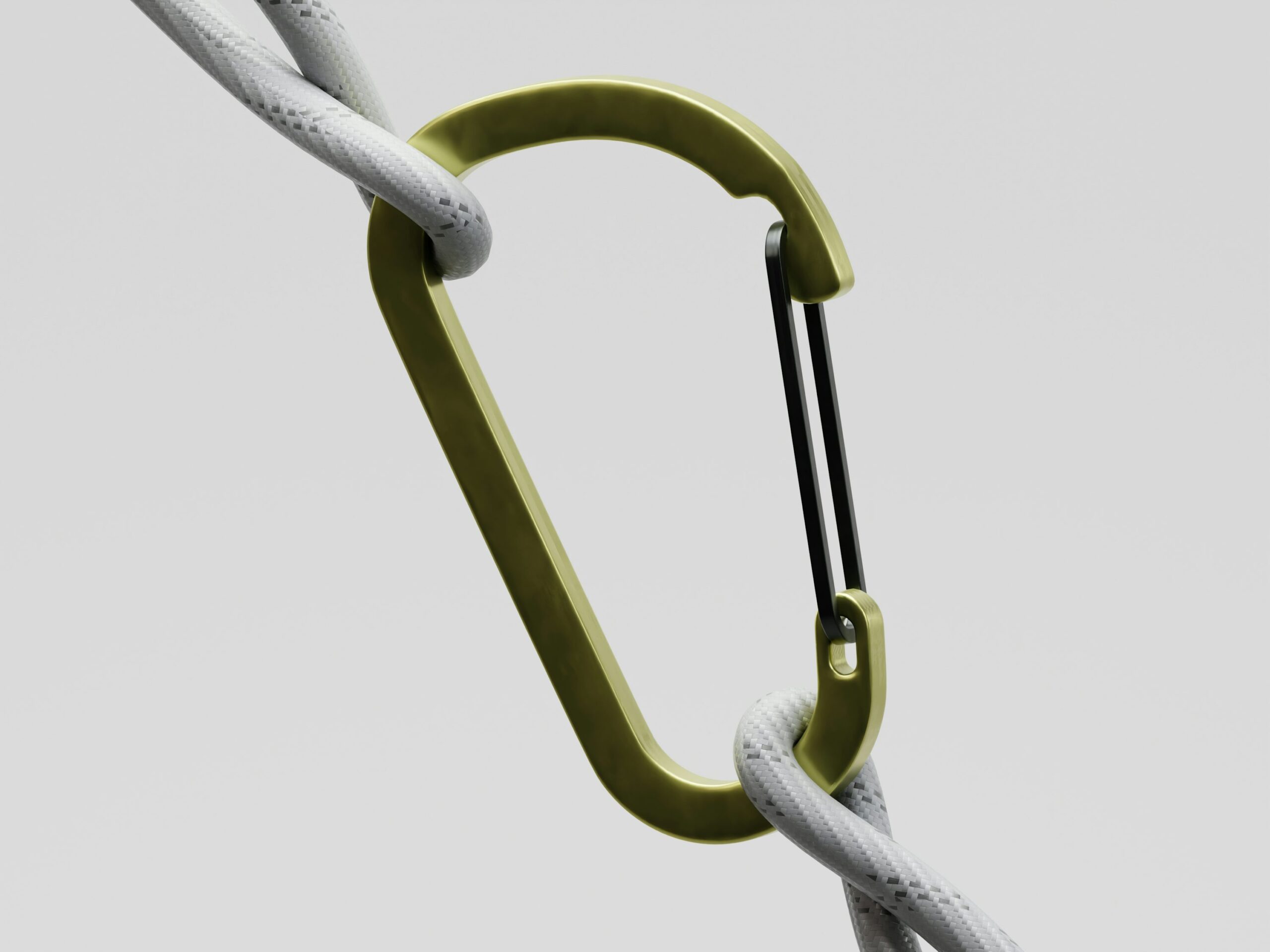
Healthy attachment feels secure but freeing. You feel connected, supported, and still fully yourself.
Unhealthy attachment feels intense but restricting. You feel anxious, dependent, and afraid of losing the person, because losing them feels like losing you.
That’s the line you have to watch.
Because loving wholeheartedly doesn’t mean losing yourself, it means bringing your full self into the relationship—and staying rooted there.
That’s the balance.
And that’s the kind of love that lasts.
Understanding Detachment (Not Indifference)
After learning how to love deeply without losing yourself, the next step is often misunderstood—but essential: detachment.
And no, detachment does not mean you stop caring.
That’s the biggest misconception.
Detachment isn’t cold. It isn’t distant. It isn’t pretending someone doesn’t matter to you. In fact, real detachment allows you to love better—because it removes fear, control, and emotional instability from the equation.
1. Detachment Is Emotional Stability
Detachment means you remain grounded in yourself, regardless of what happens in the relationship.
You love them. You show up. You invest emotionally. But your inner peace is not constantly rising and falling in response to their behaviour.
When they’re close, you’re happy—but not dependent.
When they’re distant, you feel it—but you don’t lose yourself.
That’s stability.
Unhealthy attachment says, “If this goes wrong, I fall apart.”
Detachment says: “I’ll feel it, but I’ll still be standing.”
That’s your power to love healthily, and when you get this right, you will not be afraid to love due to fear of being heartbroken.
2. Loving Without Control or Possession
When attachment becomes unhealthy, love starts to look like control.
You want constant reassurance. You try to manage their actions. You feel threatened by anything that disrupts your connection. Without realizing it, love becomes possessive.
But detachment breaks that pattern.
It allows you to love freely—without trying to control the outcome or hold on too tightly. You stop seeing the person as something to “keep” and start seeing them as someone to experience.
You choose them, but you don’t try to own them.
And paradoxically, that’s what makes love feel lighter… and often stronger.
3. Caring Deeply, Holding Lightly
Detachment is not about loving less—it’s about loving wisely.
You still care. You still invest. You still open your heart. But you also understand that no one person is your entire world.
So you hold the relationship with care, not fear.
Because the truth is simple:
You can love someone deeply… and still be okay without them.
That’s not indifference. That’s emotional maturity.
When Hearts Break: Why It Feels Like Losing Yourself

By now, you understand how deeply attachment shapes love. So when a relationship ends, the pain isn’t just emotional—it’s psychological. It cuts deeper than most people expect.
Because what you’re losing isn’t just a person. It’s a version of yourself that existed with them. And this happens mostly based on these three concepts.
1. When “You” Becomes “Us.”
In love, something subtle happens over time—you begin to merge identities.
Your plans include them. Your decisions consider them. Your daily life adjusts around their presence. In Psychology, this is called identity fusion, where your sense of self becomes intertwined with another person.
So when the relationship ends, it doesn’t feel like separation.
It feels like a disconnection from yourself.
You start asking questions you never thought you’d ask:
Who am I without them?
What does my life look like now?
This feeling is real and valid, but to completely unravel this issue, let’s look at the next concept.
2. The Shock of Emotional Withdrawal
You see, love isn’t just emotional—it’s chemical.
The connection you shared created patterns in your brain: constant communication, affection, validation, and presence. When that suddenly stops, your system reacts.
It’s not just the heart that breaks — your brain is also trying to readjust to the new norm by withdrawing your emotions and trying to look for where to channel them.
As you start to miss their texts. The calls. The small routines. Even what their silence used to mean. Now, everything feels empty, like something important has been removed from your daily life.
And because your brain keeps reaching for it. That’s why letting go feels so hard—not because you’re weak, but because your system is adjusting to the absence of something it got used to.
3. Losing More Than a Person
Another concept that makes it hard to let go of a person in a relationship is that, when a relationship ends, you don’t just lose someone—you lose structure.
The routines you built together disappear. The future you imagined fades. The emotional safety you once had feels distant.
Even the little things hit hard—who you talk to at night, how you spend your weekends, the way your day used to end.
It’s a loss of connection. A loss of meaning. A loss of rhythm.
And that’s why it hurts the way it does.
Because heartbreak isn’t just about them leaving.
It’s about you trying to find your way back to yourself.
How to Move On Without Losing Yourself

Moving on is not just about letting go of someone—it’s about finding your way back to yourself.
And if you do it right, you don’t come out empty. You come out stronger, clearer, and more grounded than before.
Here’s how to do it in a way that actually heals you.
1. Rebuild Your Identity
After a deep attachment, it’s easy to feel like you’ve lost a part of who you are.
So start here: Who were you before them?
What did you enjoy? What mattered to you? What were you building?
Go back to those things—not to live in the past, but to reconnect with your core. Then begin to expand it. Try new habits. Revisit old passions. Redefine yourself intentionally.
You’re not starting from zero—you’re rebuilding from experience.
2. Reconnect With Your Purpose
One of the biggest voids after a breakup is direction.
Your emotional energy used to go into the relationship. Now, it needs somewhere else to go.
Channel it into growth.
Focus on your goals, your work, your calling—whatever gives your life meaning beyond a relationship. Purpose stabilizes you. It gives you something to wake up to, even on difficult days.
When your life has direction, you don’t feel as lost.
3. Allow Yourself to Feel
This is where many people get it wrong—they try to “move on” by shutting down.
They distract. They suppress. They pretend they’re fine.
But healing doesn’t work that way.
The sadness. The anger. The confusion. Let it come in waves without judging yourself. Talk about it. Write about it. Sit with it.
Because what you suppress doesn’t disappear—it stays unresolved.
Feeling is not weakness. It’s how you release what’s inside.
4. Set Clear Emotional Boundaries
Moving on requires space.
You can’t heal in the same environment that hurt you. That might mean limiting contact, unfollowing them, or creating distance—at least for a while.
Not out of spite, but for clarity.
Boundaries protect your healing. They help you regain emotional control and stop reopening wounds.
The Bottom Line
Moving on isn’t about forgetting them. It’s about remembering yourself.
And step by step, as you rebuild, you’ll realize something powerful: You were never incomplete without them—you just forgot who you were.
Conclusion: Keep Your Heart, Keep Your Life
At the core of it all, love was never meant to consume you—it was meant to complement you.
Yes, love deeply. Give your heart. Be present. Be vulnerable. Let yourself experience the beauty of connection without holding back.
But never do it at the cost of yourself.
Because the truth you’ve seen all through this journey is simple: the way you love others should never require you to abandon who you are.
Not your identity.
Not your purpose.
Not your peace.
Real love doesn’t erase you—it complements you. It strengthens your sense of self, not replaces it. It adds meaning to your life, but it is not the meaning of your life.
So as you love, stay aware. Stay grounded. Stay whole.
Choose connection, but not dependency.
Choose depth, but not disappearance.
Choose love, but not self-loss.
Because the moment you lose yourself, you lose the very thing that makes love meaningful.
And when you learn to keep your heart and keep your life—that’s when love becomes what it was always meant to be: Healthy. Balanced. And truly lasting.
You read this far, Thank You.
Let me know your thoughts in the comment section.
Revivinghub is a growing space that heavily relies on you sharing the content that you find helpful here with your circle and others. Thank you as you do so.
